

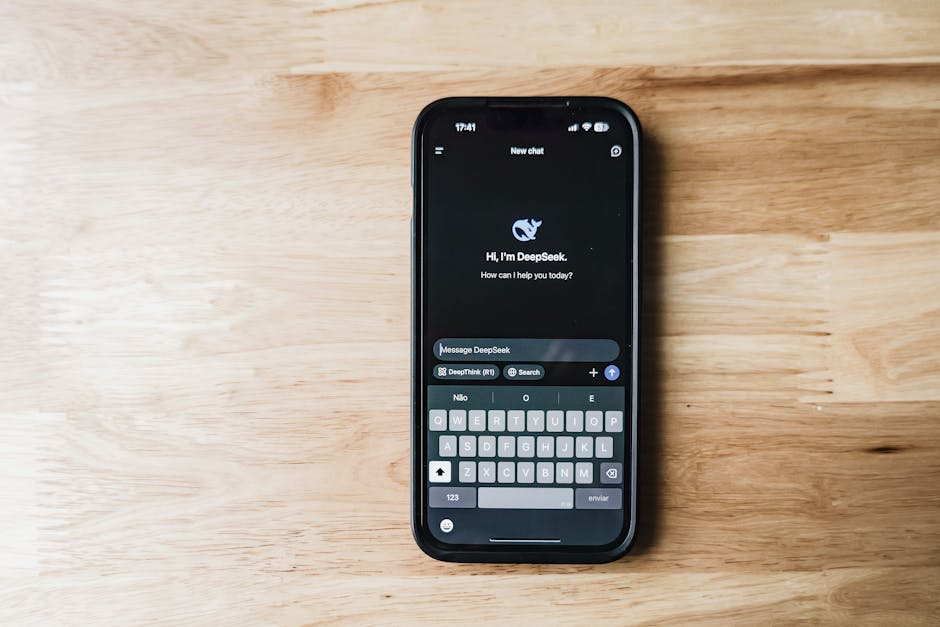
Teens Using AI Chatbots: Risks, Benefits & Guidance
AI chatbots are increasingly part of teenagers’ daily digital routines. From quick information searches to homework support and even casual conversation, these tools are reshaping how young people learn, socialize, and seek emotional help. This article examines what current research shows about teen chatbot use, why parents and educators are divided, and how adults can reduce risk while preserving positive learning opportunities.
How prevalent is chatbot use among teenagers?
Recent survey data indicate that a majority of U.S. teenagers interact with AI chatbots in some form. The most common uses are practical: searching for information and getting help with school assignments. A smaller but notable share of teens report using chatbots for casual conversation and to seek emotional support or advice.
Key usage patterns include:
- Information searching: more than half of teens rely on chatbots for quick factual queries and research help.
- Homework assistance: many students use chatbots as a study aid—clarifying concepts, generating study notes, or checking answers.
- Social or emotional interaction: a smaller percentage of teens use chatbots for casual chat or to seek comfort and advice.
There is also a gap between teen-reported usage and parental awareness: a substantial percentage of parents underestimate how often their teens engage with AI chatbots.
Why are parents and experts concerned?
While the practical benefits—faster research, idea generation, and homework support—are easy to see, mental health professionals and educators raise several important concerns about teens using AI chatbots for social or emotional needs.
Key concerns
- Reliability and hallucinations: chatbots can produce plausible-sounding but incorrect or misleading content. Teens using these tools for factual information or health-related advice are vulnerable to inaccuracies.
- Emotional dependency: some teens may turn to chatbots for comfort in ways that reduce interpersonal support-seeking from friends, family, or trained professionals.
- Isolation risk: prolonged or intensive interaction with conversational agents can reinforce solitary coping patterns and reduce real-world social skills.
- Safety and moderation: not all chatbot experiences are moderated for risky content or self-harm responses, which raises potential for harmful outcomes.
- Privacy and data concerns: interactions with chatbots can be logged and used for model training or analytics, creating long-term privacy implications for minors.
Researchers studying therapeutic applications of large language models caution that general-purpose chatbots are not designed as replacements for human support networks or clinical care. When used outside their intended scope, they can increase confusion, isolation, or even exacerbate distress.
What do parents approve of — and what do they reject?
Surveyed parents generally feel comfortable with teens using AI chatbots for pragmatic tasks—like looking up facts or getting help with schoolwork. Approval drops sharply when chatbots are used for casual conversation or emotional support. Many parents explicitly do not want their children relying on chatbots for personal advice or mental-health-related conversations.
Practical takeaway: parents typically accept AI as an academic aid but are skeptical of its role in social or emotional development.
How can educators and parents manage safe chatbot use?
Managing risk while preserving educational value requires a mix of policies, supervision, and media-literacy teaching. Below are practical steps families and schools can adopt.
Recommendations for parents
- Open a dialogue: ask teens which tools they use, how they use them, and what they find helpful or worrying.
- Set clear boundaries: agree on acceptable uses (e.g., homework help, summaries) and prohibited uses (e.g., relying on chatbots for emotional support).
- Teach verification skills: encourage teens to cross-check chatbot answers against reliable sources and to assume outputs can be incorrect.
- Protect privacy: review app permissions and data policies; prefer platforms with clear data-handling terms for minors.
- Encourage real-world support: make sure teens have access to friends, family, counselors, or health professionals for emotional issues.
Guidance for schools and districts
- Create usage policies that distinguish between academic and non-academic chatbot interactions.
- Incorporate AI literacy into curricula: teach students how large language models work, their limitations, and how to evaluate outputs.
- Train staff to recognize signs of emotional reliance on digital agents and route students to appropriate supports.
- Explore vetted educational tools: prioritize platforms that offer transparency, student-data protections, and age-appropriate safety features.
What are responsible product choices by AI companies?
Some developers have implemented age gating, restricted features for minors, and safety layers designed to reduce harmful outputs. Responsible design prioritizes:
- Clear labeling of limitations and recommended use cases for minors.
- Robust content moderation and escalation pathways when users show signs of severe distress.
- Privacy defaults that minimize data retention for underage users.
When companies adopt these safeguards, they reduce some of the most serious risks associated with teen chatbot use. However, design protections are not a substitute for adult supervision and education.
How should clinicians and counselors approach chatbot use?
Mental health professionals recommend that chatbots not be used as a primary source of counseling or crisis support. Instead, clinicians can:
- Ask about digital habits during assessments to understand whether a teen is relying on chatbots for emotional regulation.
- Offer resources and referrals to human support when serious issues emerge.
- Use chatbots as adjunct tools—e.g., for psychoeducation or to practice coping strategies under clinical supervision—but avoid unsupervised therapeutic reliance.
How will teen chatbot use shape society over the next 20 years?
Teen opinions about AI’s long-term impact are mixed: a notable share expect positive outcomes such as better access to information and personalized learning, while others worry about social disruption and mental-health effects. The trajectory will depend on how families, schools, regulators, and companies act now to shape safe, equitable adoption.
Where to learn more and next steps
For readers who want deeper analysis of related AI topics, see our coverage on security and enterprise impacts of AI agents and how AI is reshaping learning environments:
- AI Agent Security: Risks, Protections & Best Practices — guidance on securing agentic systems and protecting users.
- How AI Training Videos Are Transforming Corporate Learning — lessons about AI-driven learning design and oversight.
- AI in Indian Classrooms: Scalable Lessons for Education — case studies on integrating AI in formal education settings.
Summary: balancing benefit and risk
AI chatbots offer clear benefits for information access and learning, but using them as a substitute for human connection or professional care can be risky—particularly for adolescents. Parents and educators should promote informed, supervised use; companies should build protective defaults; and clinicians should screen for digital reliance. Combined, these steps help teens gain the upside of modern AI while minimizing potential harms.
Quick checklist for parents and educators
- Discuss chatbot use openly and without judgment.
- Agree on acceptable uses and privacy practices.
- Teach students to verify information and recognize AI limitations.
- Ensure access to human emotional support and clinical care when needed.
By treating chatbot literacy as part of digital parenting and education, adults can help teens use AI tools in ways that support growth, learning, and well-being.
Call to action: Share this guide with other parents, educators, and school leaders to start a conversation about safe AI use for young people. For more research-backed coverage and practical policies, subscribe to our newsletter and stay informed.