
Reliance Commits ₹10 Trillion to Build AI Data Centers and Edge Networks in India
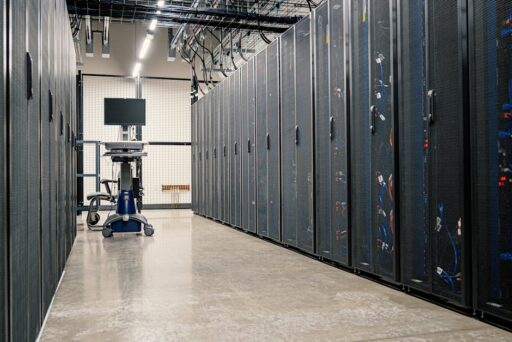
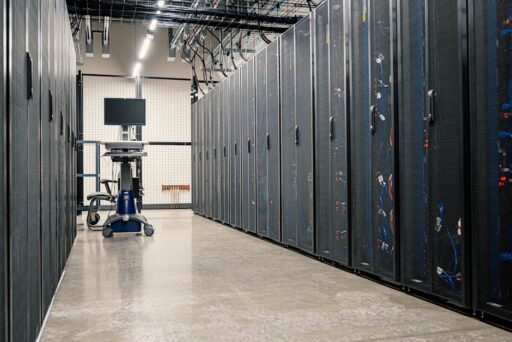
India’s technology landscape just took a major turn. Reliance Industries has announced a ₹10 trillion (roughly $110 billion) investment over the next seven years to build AI computing infrastructure across the country. The plan centers on multi-gigawatt data centers, a nationwide edge computing fabric, and integrated AI services delivered via Reliance’s Jio telecom platform. This move aims to expand domestic compute capacity, reduce the cost of AI services, and accelerate the adoption of artificial intelligence across sectors.
Why this investment matters for AI data centers in India
The scale and focus of Reliance’s commitment are notable for three reasons:
- Compute scale: Gigawatt-scale data centers provide the high-density power and cooling that modern large language models and generative AI workloads require.
- Edge-first approach: A nationwide edge layer reduces latency and bandwidth costs, enabling real-time AI in mobile apps, IoT, and industry automation.
- Localized AI services: Integration with Jio’s telecom footprint and investments in Indian-language AI models can drive mass adoption across urban and rural markets.
Reliance has already started construction on multi-gigawatt facilities in Jamnagar, Gujarat, and expects an initial tranche of more than 120 megawatts of capacity to come online in the second half of 2026. This phased rollout signals that the company is pursuing both immediate capacity expansion and longer-term scale.
What will Reliance’s ₹10T AI investment deliver?
Stakeholders are asking a practical question: what exactly will this investment produce, and how will it reshape the Indian AI ecosystem? In short, the plan targets three concrete outputs:
- High-density AI data centers: Facilities designed for large-scale model training and inference, with power and cooling geared toward GPUs and accelerators.
- Edge computing network: Distributed compute nodes across the telecom edge to support low-latency applications such as conversational AI, real-time vision, and device inference.
- AI services and platforms: Consumer and enterprise-facing AI tools integrated into Jio’s services and partner ecosystems, including industry-specific solutions for manufacturing, logistics, agriculture, and healthcare.
Timeline and staged capacity
Reliance’s timeline stretches over seven years, balancing near-term deployments with long-term, gigawatt-scale ambition. The initial capacity expected in late 2026 will likely focus on inference and hybrid training workloads, followed by expansions tailored for large-scale model training and hyperscale enterprise services.
Energy and sustainability considerations
Reliance says the build-out will leverage its expanding green energy portfolio. The company has cited a surplus of up to 10 gigawatts of solar capacity from projects in Gujarat and Andhra Pradesh that can help power the data centers. Power supply and sustainability are essential for long-term operational costs; pairing renewables with large AI data centers could materially reduce the carbon intensity of compute if implemented responsibly.
How this affects enterprises, startups, and developers
Lower-cost, locally available compute can create a virtuous cycle for India’s AI ecosystem. Potential impacts include:
- Reduced operating costs for Indian startups that rely on GPU-heavy inference and training.
- More enterprise AI projects moving from pilot to production, as compute scarcity and expense are eased.
- Opportunities for Indian research labs and universities to access larger datasets and models without overseas latency or compliance barriers.
These outcomes align with broader trends in national AI infrastructure planning. You can read more about the macro investment picture and policy drivers in our previous coverage on AI infrastructure investment in India and related data-center spending debates.
Relevant reading: AI Infrastructure Investment in India: $200B Push and AI Data Center Spending: Are Mega-Capex Bets Winning?
What challenges and risks should policymakers and businesses watch?
Large-scale infrastructure projects are complex. Key challenges include:
- Grid and power stability: Ensuring reliable power and integrating renewables at scale.
- Talent and operations: Building skilled operations teams for hyperscale data centers and advanced AI systems.
- Data governance and localization: Managing sensitive datasets, complying with privacy rules, and navigating cross-border data flows.
- Market competition: Balancing private investment with fair access for startups and academic institutions to avoid monopolistic lock-in.
These trade-offs will matter as India’s largest conglomerates scale AI infrastructure. For context on how other major players are approaching large-scale AI investments in India, see our coverage of competing cloud and data-center commitments.
Suggested reading: Adani Commits $100B to AI Data Centers Across India.
How will Jio and language localization drive adoption?
Reliance plans to integrate AI services deeply with Jio’s telecom and consumer platforms. That distribution advantage, combined with work on Indian-language AI capabilities, could unlock far wider usage than English-first models alone. Localized models and interfaces reduce friction for millions of users and bring AI into contexts like vernacular education, local government services, and region-specific agriculture advisories.
What adoption looks like on the ground
Practically, localized AI can enable:
- Conversational AI in regional languages across voice and chat.
- AI-powered diagnostics and telemedicine tools tailored for local health systems.
- Precision agriculture guidance that factors in local crops, soil, and weather.
These services depend on low-latency compute at the edge and models trained on region-specific datasets — two capabilities central to Reliance’s announced strategy.
How will this reshape India’s position in global AI?
By building domestic compute at scale, India reduces dependence on foreign cloud capacity for both corporate and government AI workloads. That shift has strategic benefits: better control of sensitive data, lower operational costs, and the ability to cultivate homegrown AI products and platforms. If successful, India could become a hub for regional AI services and a production base for AI-driven solutions tailored to emerging-market needs.
International partnerships and competition
Global tech firms are already expanding their regional footprints and may partner with domestic players to scale capacity or offer complementary services. The interplay between multinational cloud providers, local conglomerates, and startups will shape pricing, service availability, and innovation pace across the market.
What should startups and enterprises do now?
Organizations that want to capitalize on expanding Indian AI compute should consider taking these pragmatic steps:
- Audit current AI workloads and forecast future compute needs — both training and inference.
- Plan for hybrid deployments that combine edge, on-prem, and cloud resources to optimize latency and costs.
- Invest in localization of data and models where applicable to improve relevance and performance.
- Engage with local infrastructure partners early to secure capacity and pricing guarantees.
Frequently asked question: What makes gigawatt-scale data centers different?
Gigawatt-scale facilities are designed for sustained high-power density to support the most demanding AI workloads. They require specialized electrical distribution, cooling systems, and long-term power procurement strategies. For AI companies, that means access to large pools of GPU and accelerator capacity at predictable cost and scale — a prerequisite for training next-generation foundation models and offering high-throughput inference services.
Key takeaways
- Reliance’s ₹10T plan is a major bet on domestic AI compute, spanning data centers, edge networks, and localized AI services.
- The initiative could lower costs and broaden access to AI for startups, enterprises, and millions of consumers across India.
- Execution risks include power management, talent, governance, and fair access to capacity.
- Policy, partnerships, and competition will determine whether India’s AI infrastructure scales equitably and sustainably.
Further reading and context
For background on investment trends and the broader data-center landscape in India, see our previous analysis of national AI infrastructure commitments and the economics of mega-capex data-center investments.
- AI Infrastructure Investment in India: $200B Push
- AI Data Center Spending: Are Mega-Capex Bets Winning?
- Adani Commits $100B to AI Data Centers Across India
Next steps for readers
If you are an AI startup, enterprise decision-maker, or policymaker, now is the time to evaluate how large-scale domestic compute could change your roadmap. Begin by mapping workloads to latency and compliance needs, then explore partnerships with infrastructure providers to secure capacity and pricing.
Want to stay updated? Subscribe to our newsletter for regular analysis of AI infrastructure, data-center economics, and policy developments shaping India’s tech future.
Call to action: Sign up for Artificial Intel News’ newsletter to get in-depth analysis on India’s AI infrastructure rollout, market implications, and practical guidance for developers and leaders navigating this rapid build-out.