AI-Generated Music in Olympic Ice Dance: What the Controversy Reveals
When Czech siblings Kateřina Mrázková and Daniel Mrázek debuted at the Olympics, their rhythm dance combined a classic rock track with an AI-generated vocal track. The choice did not, on its face, break competition rules — yet it quickly ignited a wider conversation about creativity, copyright and the role of synthetic media in elite sport.
What is AI-generated music and why does it matter?
AI-generated music refers to songs, instrumental tracks or vocal performances produced or assisted by machine learning models. These systems are commonly trained on large datasets of existing audio and metadata, and they generate output by predicting the most probable continuations given a prompt. In a performance context, that capability raises several practical and ethical concerns:
- Similarity to copyrighted works: Models trained on commercial catalogs can produce music that echoes melodies, lyrics or vocal timbres associated with living artists.
- Attribution and authorship: It is unclear who qualifies as the creator or rights holder when a machine contributes substantially to a track.
- Event fairness and transparency: Judges, audiences and competitors may react differently to synthetic material if it is not disclosed or if it evokes recognizable artists.
Those issues are not theoretical. At elite competitions where music choices are part of the artistic presentation, the use of synthetic tracks can affect perception, licensure and potential legal exposure.
How did this play out on the Olympic ice?
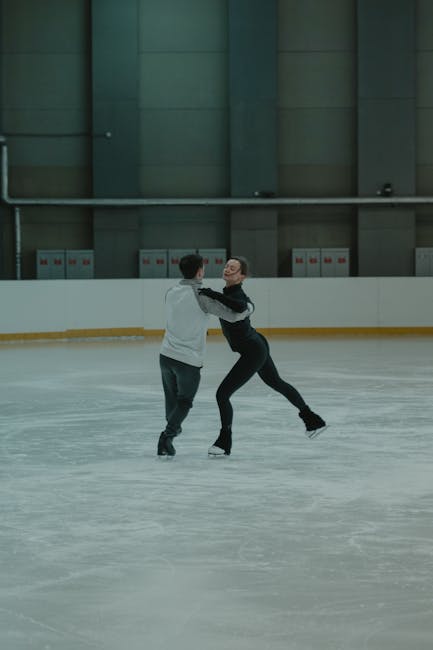
During the rhythm dance portion, the Czech duo skated to music that blended an authentic rock track with an AI-produced segment created to evoke 1990s rock styling. A broadcast commentator noted that part of the track was AI-generated. The program then transitioned into a recorded classic rock song. The combination drew immediate attention because the synthetic section contained familiar-sounding lyrics and vocal character that prompted questions about both creative intent and intellectual property.
Why it matters for athletes
Athletes choose music to match choreography, scoring themes and competitive strategy. Unexpected controversy about a track can distract from performance and invite penalties, reputational damage or litigation. Even when rules permit recorded selections, the optics of using a synthetic imitation of a well-known artist — especially without clear disclosure — can overshadow athletic achievement.
What are the legal and ethical risks?
AI music introduces overlapping legal and ethical concerns:
- Copyright infringement: If generated output reproduces or is substantially similar to protected lyrics, melodies or arrangements, rights holders may assert infringement claims.
- Voice impersonation and publicity rights: Synthetic vocals that mimic a living singer’s timbre or delivery can implicate personality and publicity rights in some jurisdictions.
- Dataset provenance and training methods: Models trained on unlicensed or scraped content raise questions about the legality of the model itself and subsequent outputs.
These challenges are not unique to sports — they echo broader debates in media and entertainment about how to regulate synthetic content. For more context on legal and platform responsibilities around AI-manipulated media, see our coverage of platform duties and policy responses: Stopping Nonconsensual Deepfakes: Platforms’ Duty Now and Grok Deepfake Controversy: Global Policy Responses.
How do competition rules handle recorded music?
Most skating federations and event organizers permit recorded music in competition segments but require that any music used be cleared for performance and broadcasting. The rules typically focus on timing, tempo, and adherence to routine themes rather than the provenance of production methods. That leaves a gray area for AI-created tracks: if a recording is lawfully licensed or is original, it may be permitted — but if the recording closely mimics a copyrighted work or a living artist’s voice, organizers and rights holders may object.
Practical gaps
Two practical gaps matter:
- Verification: Event producers may not have robust processes to detect or verify the provenance of synthetic tracks ahead of competition.
- Disclosure: Athletes and teams may not be required to declare whether a track includes AI elements, so broadcasts and judges can be surprised during live performance.
What should athletes, coaches and federations do now?
Teams and governing bodies should adopt clear, pragmatic safeguards that balance creativity with legal and reputational risk. Recommended steps include:
- Transparent disclosure: Require teams to declare whether music contains synthetic components during registration or music submission.
- Licensing checklist: Verify that any generated music does not reproduce copyrighted material and that appropriate synchronization and broadcast licenses are obtained.
- Pre-event screening: Give organizers the tools and time to review tracks for potential similarity to protected works.
- Education: Train athletes and choreographers on the limits and risks of using AI-generated content.
- Policy updates: Update technical and ethical guidelines to address voice imitation, derivative works and dataset provenance.
These measures can preserve creative freedom while reducing the likelihood of disputes that distract from competition.
Can AI music be used responsibly in sport?
Yes — with guardrails. AI tools can expand creative palettes for choreographers, enabling novel textures, period stylings and bespoke arrangements that reflect a team’s concept. When creators use AI as a compositional aid rather than a mimic, and when they secure clear rights and disclose synthetic contributions, AI music can enhance performance rather than diminish it.
Best-practice checklist for responsible use
- Use AI to generate original melodic or rhythmic material rather than to imitate a specific living artist.
- Retain human editorial control — refine and transform generated elements so they are clearly original.
- Document the generation process and sources used to train the model where possible.
- Obtain legal review and necessary licenses before public performance.
How do AI models produce familiar-sounding music?
Generative music models learn statistical patterns from training data. When prompted for a “1990s rock style” they will produce output that aligns with that distribution: chord progressions, melodic motifs and lyrical phrasing common to the decade. That makes them powerful creative tools — and it also means they can inadvertently recall specific phrases or vocal characteristics. Researchers and policymakers are actively debating how to hold models and modelers accountable for such overlaps; our reporting on AI hallucinations and model safety provides deeper context: Hallucinated Citations at NeurIPS: Scope, Risks, Fixes and Claude Constitution Explained: Ethics, Safety, Purpose.
What are the likely next steps for regulators and federations?
Expect incremental updates rather than sweeping bans. Federations will likely:
- Clarify submission requirements for music and require explicit declarations about synthetic content.
- Adopt screening tools and partnerships with rights organizations to verify licensing ahead of events.
- Provide guidance on acceptable use of artist-like vocal synthesis and derivative material.
In parallel, rights holders and platforms will continue to press for stronger protections around voice and performance likenesses. The pace of policy change will vary by jurisdiction and by the commercial stakes involved.
Final thoughts: balancing creativity and accountability
The Czech siblings’ Olympic performance is a reminder that innovation often arrives before the rules that govern it. AI-generated music offers rich opportunity for artistic expression in sport — but it also demands new norms and practices to protect creators, competitors and audiences. The best path forward is pragmatic: encourage experimentation, require transparency, and ensure legal and ethical standards keep pace with technology.
Key takeaways
- AI-generated music can be permitted under current event rules, but it raises copyright and authenticity concerns.
- Teams should disclose synthetic elements, secure licenses, and document their creative process.
- Federations and organizers should implement screening and update submission rules to avoid surprises on the world stage.
If you want to explore the intersection of synthetic media, policy and platform responsibility, our related reporting provides deeper background and evolving guidance: Stopping Nonconsensual Deepfakes, Hallucinated Citations at NeurIPS, and Claude Constitution Explained.
Have thoughts or questions about AI-generated music in sport? Join the conversation below — share your perspective or suggest policy changes you’d like to see. Subscribe to our newsletter for timely analysis on AI, media and policy.