
AI Video Soundtracks: How Mirelo Adds Synced SFX to Creator Workflows
Video is everywhere, but audio is what turns footage into an experience. AI video soundtracks are emerging as a practical bridge between silent clips and polished, emotional media. Berlin-based Mirelo is one of the startups focused on automated sound effects (SFX) and soundtrack generation that syncs audio precisely to on-screen action. This article examines the technology, product strategy, business implications, and what creators need to know when adding AI-generated audio to their workflows.
Why audio matters: sound as half the experience
Creators, editors, and filmmakers have long known that sound shapes perception. A single image can feel comedic, tense, or melancholic depending on the soundtrack and SFX layered onto it. For short-form creators and prosumers, however, adding professional audio remains time-consuming and often expensive. AI video soundtracks aim to automate that gap by interpreting visual events and producing audio that matches timing, intensity, and context.
What automated SFX brings to creators
- Faster turnaround: auto-sync reduces manual editing time for sound placement.
- Access to variety: extensive SFX libraries can be leveraged without licensing friction.
- Consistent quality: models can standardize levels, spatial placement, and transitions.
- Scalability: API-driven workflows enable batch processing for large catalogs.
For creators focused on retention and engagement, audio is a multiplier — not an afterthought. If you’ve followed trends in creator tooling and retention, tools that expedite audio production will matter more as platforms reward immersive content. For related tools that help short-form creators boost engagement, see our guide on AI tools for short-form video creators.
Read: AI Tools for Short-Form Video Creators: Boost Retention
How does AI add a soundtrack to video? (Featured snippet question)
AI video soundtrack systems typically follow a multi-stage pipeline:
- Visual analysis: A vision model inspects frames to detect events, objects, motion intensity, and scene changes.
- Semantic mapping: Detected events map to sound classes (footsteps, doors, ambience, impacts, Foley elements).
- SFX retrieval or synthesis: The system either selects appropriate clips from licensed libraries or synthesizes audio using generative models.
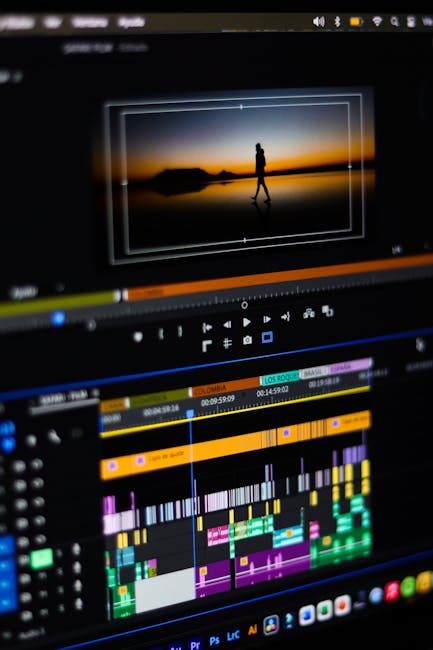
- Timing and mixing: Sounds are precisely aligned to video frames and mixed with attention to loudness, frequency balance, and transitions.
- Export and delivery: The result is delivered as a separate audio track, stems, or an integrated video export via API or studio UI.
This approach allows AI to produce audio that feels synchronized and contextually relevant while giving creators control over intensity, style, and licensing options.
Technology behind synced SFX: models, data, and challenges
Generating convincing SFX requires coordinating vision and audio models. Key technical components include:
Vision-to-audio alignment
Temporal precision is critical. Systems use frame-level detection and event onset prediction to place micro-sounds (like clicks or impacts) within milliseconds of the visual trigger.
Sound selection versus synthesis
There are two common routes:
- Library-based selection: The model scores and picks clips from curated, licensed sound libraries. This yields realistic audio quickly and minimizes synthesis artifacts.
- Generative synthesis: Neural audio models synthesize sound when a specific clip is unavailable or when unique textures are needed. Synthesis offers creative flexibility but requires careful training to avoid unnatural artifacts.
Training data and licensing
Training robust audio models requires diverse, high-quality sound libraries. Responsible companies combine public-domain assets, purchased libraries, and clear revenue-sharing agreements with rights holders to respect artists and designers. This hybrid approach enables scale while addressing copyright and attribution concerns.
Product strategy: API-first, creator studio, and freemium pricing
An API-first business model helps platform integrators, editors, and enterprise customers embed SFX generation into existing pipelines. Mirelo, for example, has emphasized API usage to drive early revenue while building a creator-facing workspace called Mirelo Studio for interactive editing and finalization.
Typical product tiers look like this:
- Free/freemium tier for personal use and experimentation.
- Recommended creator plan (subscription) for hobbyists and prosumers.
- Commercial/API plans for platforms, studios, and large-scale users.
Freemium models reduce the adoption friction for creators while paid tiers unlock higher-quality exports, commercial licenses, and batch processing.
Business and market dynamics: competition, hiring, and scaling
The AI audio space is attracting investment and competition because of the clear creator demand and the relative maturity gap compared with text or image generation. For a focused startup, the path to differentiation tends to be narrower product scope, stronger audio quality, and defensible partnerships with sound licensors and creators.
Scaling a company in this category requires investment in three areas:
- R&D: hiring audio engineers, machine learning researchers, and dataset curators to improve realism and reduce artifacts.
- Product: UX designers and audio tools experts to make the studio intuitive for creators.
- Go-to-market: partnerships with creative platforms, DAWs, and marketplaces to expand distribution.
Hiring to double or triple a small, focused team is a common growth step for startups moving from stealth to scale. Alongside headcount growth, strategic angel investors and industry advisors can open distribution and licensing channels that matter in audio-first workflows.
Ethics, rights, and the music community
Generative audio raises familiar questions about provenance, compensation, and creative displacement. Responsible platforms mitigate those concerns by:
- Using licensed and purchased sound libraries with clear terms.
- Signing revenue-sharing agreements with artists and sound designers.
- Providing transparent attribution and opt-outs where required.
That transparency helps balance innovation with respect for creators’ livelihoods. For now, AI-generated SFX are augmenting, not replacing, many professional sound designers — especially for bespoke, high-end work where human creativity remains essential.
Use cases: who benefits most from AI soundtracks?
Automated soundtracks and SFX are proving useful across several creator segments:
- Short-form creators: Quick turnaround audio boosts engagement on social platforms.
- Indie game developers: Procedural SFX help prototype and iterate faster.
- Educational and news videos: Consistent audio improves clarity and retention.
- Marketing teams: Batch processing enables consistent brand audio across assets.
Integration with editors, content management systems, and distribution platforms is the next logical step for broader adoption.
What creators should ask before adopting AI-generated audio
Before integrating an AI soundtrack tool into your workflow, evaluate these points:
- Licensing: Are the sounds cleared for commercial use? Are there revenue-share or attribution requirements?
- Quality: Can the tool export stems and high-fidelity audio for further mixing?
- Control: How much manual editing is possible after automatic placement?
- Cost: Does the pricing scale reasonably with usage, and are there developer-friendly API tiers?
- Privacy: How are uploads stored and used to train future models?
Where audio AI intersects with other generative tools
Video-to-audio models are a complementary layer in the generative stack. As visual generators and world models advance, synchronized audio becomes part of an end-to-end content pipeline that can produce immersive short films, game sequences, and interactive experiences. If you’re following generative model advances in vision or world modeling, consider how sound layers into those outputs — realistic audio makes simulated environments feel tangible.
Related reading on generative visual models and simulation: Runway GWM-1 World Model Brings Realistic Simulation and image model upgrades in high-resolution generation: Nano Banana Pro: Google’s High-Res Image Model Upgrade.
Pros and cons: realistic expectations for automated SFX
Automated audio is powerful but not a silver bullet. Consider this balanced view:
Pros
- Speed: Rapid prototyping and batch processing reduce turnarounds.
- Cost-efficiency: Lower per-asset cost compared with bespoke sound design.
- Consistency: Uniform mix presets and matching across clips.
Cons
- Edge cases: Unusual sounds or highly stylized audio still need human design.
- Quality ceiling: Synthetic or mismatched audio textures can reveal limitations.
- Rights complexity: Licensing and proper attribution can add friction.
Practical workflow: integrating AI SFX into your editing process
Here’s a simple workflow to get the most from automated SFX:
- Upload a draft cut to the AI studio or call the API with timecode metadata.
- Review suggested SFX and adjust intensity, style, and placement.
- Export stems for music, ambience, and SFX, then import into your DAW for final mixing.
- Apply final human-led adjustments: panning, EQ, and mastering for polish.
This hybrid approach — AI plus human oversight — typically yields the best results and scales for creators who need speed without sacrificing craft.
What’s next: roadmap and competitive outlook
Startups in this space are prioritizing a few clear directions:
- Improving generative audio realism while reducing artifacts.
- Expanding licensed libraries and revenue-sharing agreements to maintain artist trust.
- Building creator studios that support collaboration, versioning, and high-quality exports.
- Strengthening APIs so platforms and studios can integrate audio automation into large-scale pipelines.
As vision and audio models converge, expect more platforms to ship built-in sound options. That will raise the baseline expectations for creators — silent or poorly-sounded videos will stand out for the wrong reasons.
Conclusion: should creators adopt AI video soundtracks now?
Yes — with caveats. AI video soundtracks and automated SFX are mature enough to accelerate workflows and boost engagement, especially for short-form creators and teams needing scale. But treat AI as a collaborator: use it to draft and iterate, then finalize with human mixing and creative decisions. Prioritize tools that offer clear licensing, high-fidelity exports, and transparent policies about training data.
Actionable next steps
- Test a freemium plan to evaluate sync accuracy and export quality.
- Check licensing for commercial use and revenue-sharing terms.
- Integrate API trials into your staging pipeline to see how batch processing performs.
Want a deeper look at how these tools fit into creator ecosystems and platform strategies? Explore our coverage on creator tool adoption and generative model advances to see where audio tooling could have the biggest impact.
Related: AI Tools for Short-Form Video Creators: Boost Retention | Runway GWM-1 World Model Brings Realistic Simulation
Try it now — unmute your videos
If you’re a creator or product lead, try generating a soundtrack for a recent clip: experiment with intensity, export stems, and compare manual mixing time against an AI-assisted draft. For teams, pilot an API integration to measure cost per asset and throughput.
Ready to bring your footage to life? Start with a free plan, test the API, and see how AI video soundtracks can reduce editing time while improving engagement.
Call to action: Try the freemium plan today, export a synced audio track, and share the results with your community — unmute your best content and measure the difference.