Meta’s $100B AMD Chip Deal: What It Means for AI Infrastructure
Meta announced a multiyear agreement to purchase AMD MI540 GPUs and a new generation of CPUs, a move that could scale to near nine figures in aggregate spending and materially increase data center power demand. The deal combines large-volume hardware purchases with performance-based equity warrants, signaling both deep vendor commitment and a strategic push to diversify Meta’s compute stack beyond a single supplier.
What does Meta’s AMD chip agreement include?
Short answer: high-volume GPUs, new CPUs, and conditional stock-based incentives tied to performance milestones.
In practical terms, the core elements of the agreement are:
- Purchases of AMD MI540-series GPUs and AMD’s latest-generation CPUs to support inference and large-scale AI workloads.
- A performance-based warrant package giving Meta the option to acquire up to 160 million AMD shares at a nominal strike, structured to vest as milestones are met.
- Staggered vesting and conditional tranches that depend on AMD share-price thresholds and performance metrics.
- Multiyear delivery schedules designed to match Meta’s infrastructure rollout and capex timelines.
Why this matters: compute diversity and supply strategy
For major AI builders, reliance on a single chip vendor creates supply risk, pricing exposure, and architectural lock-in. Meta’s deal signals an intentional diversification strategy. There are three immediate strategic benefits:
- Supply resilience: multi-vendor sourcing reduces dependence on one manufacturer’s capacity constraints or pricing shifts.
- Cost and negotiation leverage: large, committed orders with equity-linked incentives create alignment and procurement flexibility.
- Architectural flexibility: adding CPUs and alternative GPU vendors broadens choices for inference, scaling, and heterogeneous compute designs.
CPUs as a growing pillar of AI inference
CPUs are capturing renewed attention in AI stacks because they can be more cost-effective for certain inference workloads, easier to scale across diverse server fleets, and reduce rigid dependence on one accelerator type. As models and agentic AI patterns evolve, many enterprises are reshaping their inference layers to combine GPUs for heavy lifting and CPUs for efficient, scalable inference and orchestration.
How much additional data center power could this drive?
Large-scale GPU deployments materially increase power and cooling requirements. Industry estimates for similar-size purchases suggest that multimillion-GPU rollouts can add several gigawatts of sustained demand when fully operational. Meta’s purchase cadence and the accompanying capital projects—like large new data center campuses—will translate directly into electricity, cooling, and facility investments.
That trend reinforces the need for coordinated planning across procurement, facilities, and sustainability teams when organizations execute on aggressive AI deployment plans.
Financial engineering: equity warrants and milestone alignment
Structuring part of the deal as performance-based stock warrants does a few things:
- Aligns incentives between buyer and supplier by tying upside to long-term commercial or technical milestones.
- Reduces near-term cash outflow while preserving optionality for future equity participation.
- Signals a partnership mindset rather than a one-off vendor relationship.
From AMD’s perspective, warrant structures can increase upside participation in Meta’s success while providing the buyer with contingent value leverage. For buyers, such instruments can lower procurement friction and distribute risk over multiple dimensions.
Operational implications for Meta and peers
Executing a program of this size is not just a procurement exercise; it requires synchronized progress across multiple disciplines:
- Data center buildouts and power provisioning
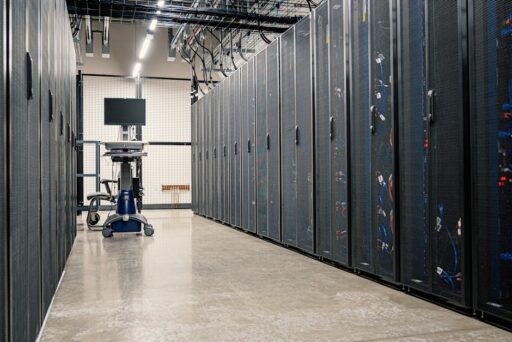
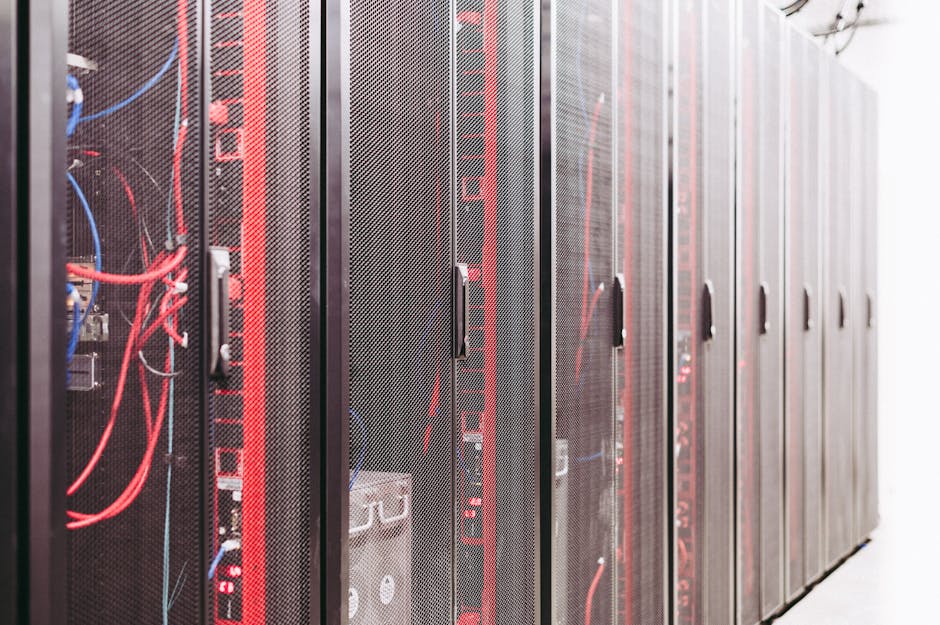
- Rack and cooling design to support MI540-class GPUs and high-density CPUs
- Software stack adaptation for heterogeneous compute
- Supply chain coordination and lifecycle management
Meta has already announced major capital projects to support expanded compute (including new campuses designed to host gigawatts of capacity). Those projects require long-term commitments for energy, grid interconnection, and local permitting.
Is this a sign of a broader industry shift away from one dominant vendor?
Yes and no. While one vendor remains prominent in many accelerator markets, hyperscalers and large AI builders are publicly signaling that multi-vendor strategies are now central to their roadmaps. That shift is driven by pricing, supply assurance, performance differentiation, and the desire to operate heterogeneous compute environments that optimize total cost of ownership.
Adopting a multi-vendor approach is consistent with other industry moves to decouple critical infrastructure from single-supplier risk—whether that’s choosing diverse GPUs, investing in CPUs for inference, or developing in-house silicon.
What are the risks and open questions?
Several uncertainties remain that organizations and observers should track:
- Delivery and integration risk: large-scale rollouts often surface thermal, firmware, or system-level integration issues.
- Market concentration vs. competition: if too much ordering concentrates on a small number of fabs or production lines, supply risk can persist.
- Price and stock-performance contingencies embedded in warrant structures can introduce financial volatility for suppliers.
- Geopolitical and trade dynamics that affect chip supply chains and data center siting.
How does this align with Meta’s own silicon and capex plans?
Meta continues to invest in its own chip designs and has publicly discussed custom accelerators for AI workloads, but in-house projects often run into development timelines and scaling challenges. Strategic external purchases allow Meta to meet near-term capacity needs while its internal efforts mature. In parallel, the company has committed large capital expenditures to new data centers to host increasing compute demand.
How will this affect the AI infrastructure market?
Expect a ripple effect across procurement, facilities, and systems design: larger multi-year orders from hyperscalers increase visibility for suppliers, incentivize fabs and board-makers to expand capacity, and pull forward designs centered on power efficiency and integration. Vendors that can deliver both performance and predictable supply will gain share.
For enterprises and startups, this environment creates both opportunities (more competitive hardware options, falling prices in some segments) and challenges (greater complexity in system architecture and longer lead times for certain SKUs).
Relevant reading from our archives
For further context on data center capex and cost optimization for AI deployments, see our analysis of broader industry spending and infrastructure strategy: AI Data Center Spending: Are Mega-Capex Bets Winning?.
To understand approaches that reduce operational costs when scaling inference, review our piece on memory orchestration and cost trade-offs: AI Memory Orchestration: Cutting Costs in AI Infrastructure.
For examples of strategic investments in data center scale and partnerships between chipmakers and cloud providers, see: Nvidia Investment in CoreWeave: $2B to Scale AI Data Centers.
Key takeaways
- Meta’s multiyear AMD purchase is a strategic bet to diversify compute sources and scale AI infrastructure quickly.
- The inclusion of both GPUs and CPUs reflects a maturing inference stack that values heterogeneous compute.
- Performance-based warrants align long-term incentives between buyer and supplier but add financial contingencies.
- Large purchases of this magnitude will continue to drive data center growth, power demand, and supply-chain investment.
FAQ: What should companies planning AI deployments do now?
Start by reassessing your procurement and capacity plans: build multi-vendor flexibility into forecasts, prioritize energy and cooling design for high-density racks, and model total cost of ownership across accelerators and CPUs. Consider contingency instruments—like conditional agreements—that can protect against supply volatility while preserving optionality.
Next steps for readers
If you’re managing AI infrastructure procurement, prioritize scenario planning that covers vendor diversification, power provisioning, and software portability. For investors and policy makers, watch how warrant structures and long-term purchase commitments influence supplier roadmaps and regional data center economics.
Want deep technical briefings or procurement playbooks tailored to your organization? Subscribe to Artificial Intel News for expert analysis, procurement checklists, and regular updates on AI infrastructure trends.
Call to action: Subscribe now to get weekly briefings and actionable guides that help you plan AI infrastructure purchases, evaluate vendor risk, and optimize total cost of ownership.