CES 2026 AI Highlights: Physical AI, Robotics & Chips
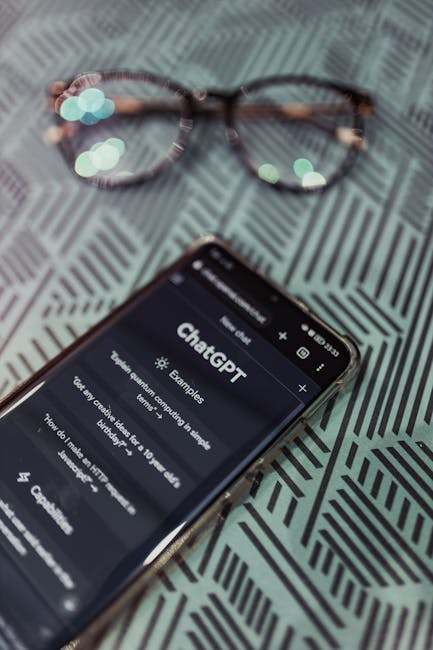
CES 2026 wrapped in Las Vegas with a clear message: AI is advancing from demo-stage novelty to embodied, physical systems and production-ready silicon. While past shows centered on flashy prototypes and agentic AI concepts, this year’s floor and keynotes emphasized practical deployments—robots doing work, AI assistants integrated into vehicles and appliances, and next-generation chips built to meet surging compute demands. This post distills the most important announcements, analyzes their implications for businesses and builders, and points to what to watch next.
What were the top AI takeaways from CES 2026?
Below are the clear trends that emerged across keynotes, press demos and product reveals.
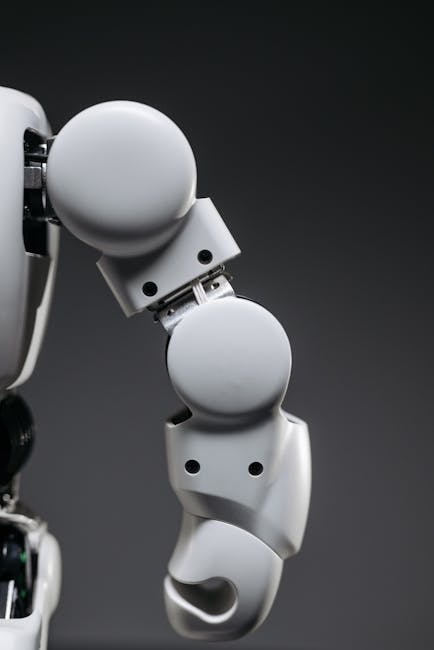
- Physical AI rose to the forefront: Robots, embodied assistants and device-level intelligence dominated booth activity and vendor messaging.
- Chip and architecture upgrades accelerated: New silicon and computing architectures were positioned to replace prior generation designs, promising higher throughput and larger local models.
- Automotive and construction moves signaled practical adoption: Vehicle assistants and construction-focused AI systems showed that industry verticals are prioritizing AI integration now.
- Consumer devices shifted toward utility: Phones, home robots and appliances highlighted real-world workflows rather than purely speculative features.
- Startups moved from lab proofs to accessible hardware: Lower-cost industrial tools and DIY-friendly devices aimed to democratize previously costly capabilities.
Nvidia, AMD and the chip race: what changed?
Semiconductor companies used CES to define the roadmaps that will shape AI deployment in 2026. The biggest announcements focused on new computing architectures designed to handle model-scale workloads and deliver faster inference at the edge. Vendors emphasized both raw performance gains and system-level features—storage and IO improvements, power efficiency, and tools for simulation and testing.
For strategy-minded readers, this year reaffirmed a long-running theme: chips and architectures determine which AI use cases scale cost-effectively. Organizations prioritizing on-device or on-premise inference should track partnerships, SDK support, and data-center integration options that vendors announced at the show.
For context on market implications and investment patterns tied to chip innovation, see our previous coverage of Nvidia’s strategic role in shaping the AI startup ecosystem: Nvidia AI Investments: Shaping the AI Startup Ecosystem.
Physical AI and robotics: who’s building the real-world agents?
Robots were omnipresent—demonstrated on stages, in press suites, and across booth floors. This year’s focus was less about aesthetic novelty and more about task execution in home, industrial and construction settings. Several themes stood out:
Robots tackling domain-specific tasks
Manufacturers displayed robots programmed for laundry handling, kitchen assistance, and construction site support. Presentations mixed live demonstrations with simulation-driven planning tools, indicating a two-track strategy: combine embodied action with virtual testing before rollouts.
Construction and heavy equipment AI
Construction-focused AI and assistants were a major theme—systems demoed on the show floor suggested closer integration between machine autonomy and project planning. These tools include assistants for excavators and heavy machinery that can aid operators and planners, and simulation platforms meant to reduce on-site errors. For deeper reading on robotics in construction, check our report on Caterpillar’s adoption of AI in heavy equipment: Caterpillar AI in Construction Equipment: Automation Leap.
Embodied AI vs. agentic AI
Last year’s buzz around agentic AI—models acting autonomously across digital tasks—gave way to embodied solutions this year. The practical constraints of the physical world (safety, robustness, sensor fusion) mean engineering teams are focusing on tightly scoped capabilities with predictable behavior. Expect steady work on perception, manipulation, and operator-assist modes in 2026.
New consumer devices that matter
CES revealed several consumer-focused products that underscore how AI is appearing in everyday devices. Highlights included compact phones with physical keyboards, home-service robots, and accessible UV printing systems for small businesses and creators.
Notable consumer trends:
- Return of practical ergonomics: Devices are emphasizing tactile experiences—physical keyboards and durable form factors paired with AI features for productivity.
- Home robotics as helpers, not toys: Vendors framed robots as assistants for routine tasks—folding laundry, kitchen prep, simple caregiving activities—while acknowledging current limitations.
- Affordable industrial tools: Printers and small manufacturing machines with AI-enabled workflows lower the barrier to entry for creators and small businesses.
When evaluating new consumer AI hardware, focus on integration (how software updates are delivered), privacy controls, and the vendor’s roadmap for model and firmware upgrades.
How will CES announcements affect enterprise and builders?
The cumulative effect of CES 2026 announcements points to near-term commercialization. Enterprises should consider three immediate actions:
- Audit workloads to identify candidates for on-device inference or hybrid edge-cloud deployment.
- Assess vendor toolchains and simulation platforms that reduce deployment risk (digital twins, omniverse-style environments).
- Start pilot programs that combine robotics, domain-specific assistants, and updated silicon to measure ROI on safety, efficiency and labor augmentation.
For strategy and GTM practitioners, CES reinforced lessons from our coverage of AI market direction and startup playbooks. If you’re refining product-market fit for an AI hardware or software offering, our analysis on broader AI trends can help shape priorities: AI Trends 2026: From Scaling to Practical Deployments.
What technical and ethical questions emerged?
With physical agents comes an expanded list of risks and design requirements. Key questions industry teams must address include:
- How will vendors certify safety and robustness for robots performing physical tasks?
- What data governance models are in place for sensor data collected by robots and vehicle assistants?
- How transparent are model updates that change device behavior over time?
Those concerns echo regulatory and policy conversations happening across jurisdictions—manufacturers and integrators should prioritize explainability, logging, and human-in-the-loop safeguards as standard practice.
What should readers watch next?
CES provided a roadmap; the next milestones to track include:
- Device firmware and SDK releases that enable local model deployment and on-device acceleration.
- Real-world pilot reports from automotive and construction partners demonstrating productivity or safety improvements.
- Pricing and availability timelines for new silicon and robotics platforms announced at CES.
Also follow post-show updates from vendors about developer tools and simulation access—those determine how quickly teams can adopt new hardware.
Quick checklist for product teams
- Map features to hardware requirements: which functions need low-latency on-device compute?
- Plan data pipelines: how will sensor data be stored, labeled and retained?
- Start small: prioritize one vertical problem where embodied AI can show measurable value.
Final analysis: CES signals a pragmatic AI pivot
CES 2026 felt less like a technology fair of speculative concepts and more like a market readiness assessment. Vendors balanced dramatic demos with measured messaging about deployment timelines, developer support and safety. The shift toward physical, embodied AI—combined with faster, more capable silicon—suggests 2026 will be a year when pilots scale into programs and select use cases see meaningful adoption.
If you build or deploy AI systems, the imperative is clear: align architecture choices with real-world constraints, invest in simulation and testing, and partner with hardware vendors who offer long-term support and transparent upgrade paths.
Read more and stay informed
For ongoing coverage and analysis of how AI is moving from lab to market, subscribe to our newsletter and explore related reporting on industry investments and infrastructure developments. Our site regularly updates with deep dives, product reviews and strategy pieces to help you navigate the rapid shifts in AI.
Call to action: Want concise, actionable updates from major AI events like CES? Subscribe to Artificial Intel News for weekly briefings, expert analysis, and hands-on device reviews to help your team plan for the next wave of AI deployment.